A Birdwatching Tour Through Western India
Banni Grasslands and Mount Abu, India
- Starting Point
Kutch district, Gujarat
- Nearest Airports
Bhuj Airport (BHJ)
- Nearest Railway Stations
Bhuj Railway Station
- Highlight
A journey through grasslands, granite hills, and lands for quiet birdwatching, tribal encounters, and nature trails across Gujarat and Rajasthan
- Duration
5D/4N
Kutch’s rich biodiversity has a contrasting streak, housing a thriving ecosystem just on the outer Southern edge of the desert. From the semi-arid stretches of Gujarat’s Banni Grasslands to the granite ridges of Mount Abu, this slow-paced nature tour is for anyone who wants to walk, listen and observe. You can look forward to hearing birdsongs, hiking along wildflower-filled trails, and immersing yourself in stunning natural landscapes.
These regions represent different ecosystems yet hold a common thread. They are sanctuaries for migratory birds, endangered mammals, and endemic flora. Be it the nomadic pastoralists of Banni, or the Jain monks of Mount Abu, the cultural imprint of each place is highly significant.
Highlights of the Tour:
- Walk across granite plateaus and cool forest trails in Mount Abu while spotting Green Avadavats and Crested Serpent Eagles.
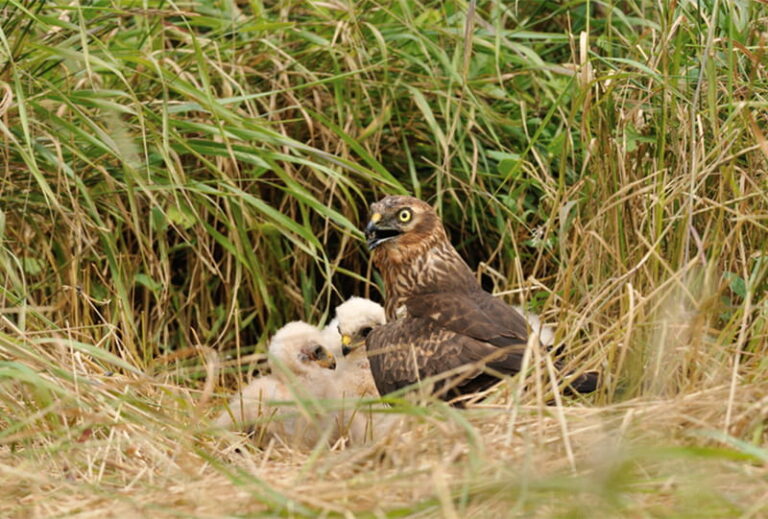
- Watch thousands of flamingos, cranes and harriers in the open landscapes of Banni Grasslands.
- Engage with semi-nomadic Maldhari herders in Gujarat and traditional Rajput communities in Rajasthan.
- Explore local crafts, food and folk stories in remote eco-villages and indigenous hamlets.
A Five-Day Itinerary Through Gujarat and Rajasthan
Day 1: Bhuj - Hodka Village
Distance: 63 km
Transportation: Bus or shared taxi/cab
The Banni Grasslands open up approximately 70 km North of Bhuj, the Capital of the Kutch district. State buses (GSRTC) run from Bhuj to most rural villages in Banni Grasslands, but they tend to be infrequent and lax. A shared taxi/cab would certainly take you to Hodka Village, known as the gateway to the grasslands.
In Hodka village, you can stay at Shaam-e-Sarhad, an eco-resort with bhungas (traditional mud huts), run by the Hodka village community. Or if you want a smaller, family-run homestay with home-cooked meals, feel free to drop by Rann Riders.
After settling in, take a tour of the village and meet Gujarati artisans skilled in Kutchi embroidery, pottery and leather craft. You can also choose to learn block printing and simple stitching from hands-on workshops conducted by the locals.

Day 2: Banni Grasslands Safari
Most homestays here have their own Safari arrangements accompanied by local guides. A wildlife Safari in the Banni Grasslands is different from typical jungle safaris, for they are more concentrated on bird watching and pastoral landscapes. And why wouldn’t they be? Montagu’s Harrier, Desert Wheatears, Indian Courser, Black-winged Stilt – 250 different species of birds have built their nests in this land.
Day 3: Bhuj - Mount Abu
Distance: 350 km
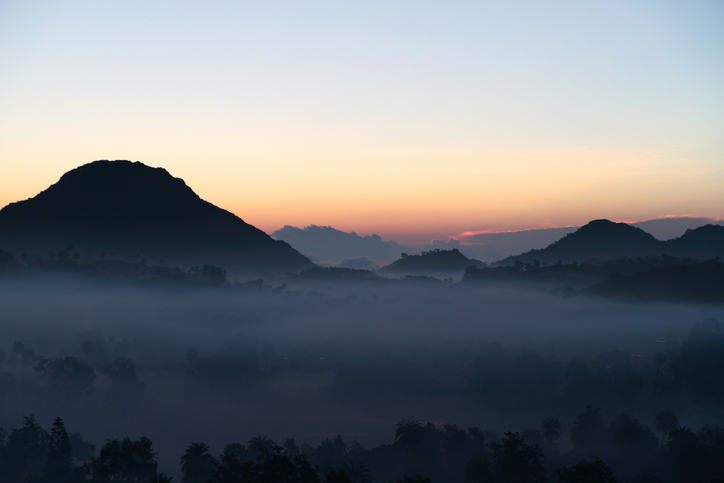
This is a long but beautiful drive as the landscape transitions from scrubby plains to the wooded hills of the Aravalli range. As soon as you arrive in Mount Abu, Rajasthan’s only hill station, settle into your homestay in the forest and take some rest.
Day 4: Nature Trails and Temples of Mount Abu
A morning walk through Mount Abu Wildlife Sanctuary is refreshing after the previous day’s long journey. This upland forest is home to Slaty-headed Parakeets, Green Avadavats, and Indian Scimitar Babblers. Not to worry, your local naturalist will help you spot birds among the bamboo groves and rocky slopes.
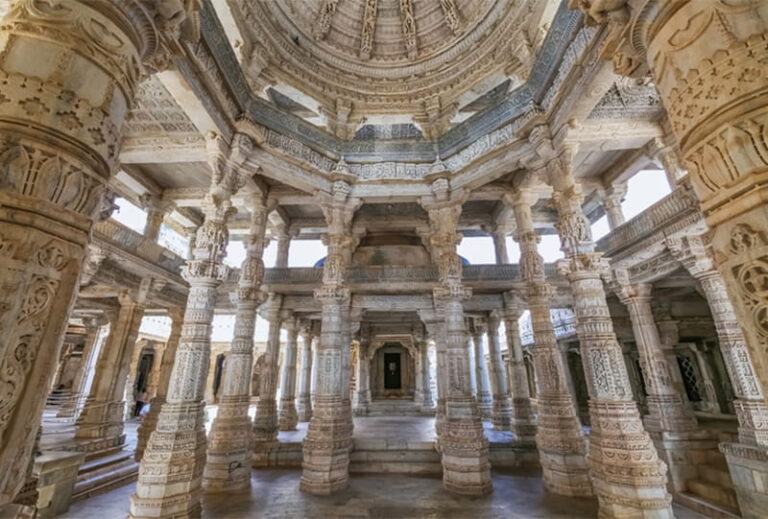
Later in the afternoon, explore the stunning Dilwara Temples, an architectural marvel of Jain heritage. Built between the 11th and 13th centuries, these Jain temples are revered not just as places of worship, but as masterpieces of Maru-Gurjara architecture.
Day 5: Plateau Trek and Sunset Point
Hike across the granite plateau towards Trevor’s Tank, a quiet forest pond frequented by crocodiles, peacocks, and langurs. The trail meanders through eucalyptus groves and salai trees, from where it’s easier to spot crested hawk-eagles or a shy jungle cat.
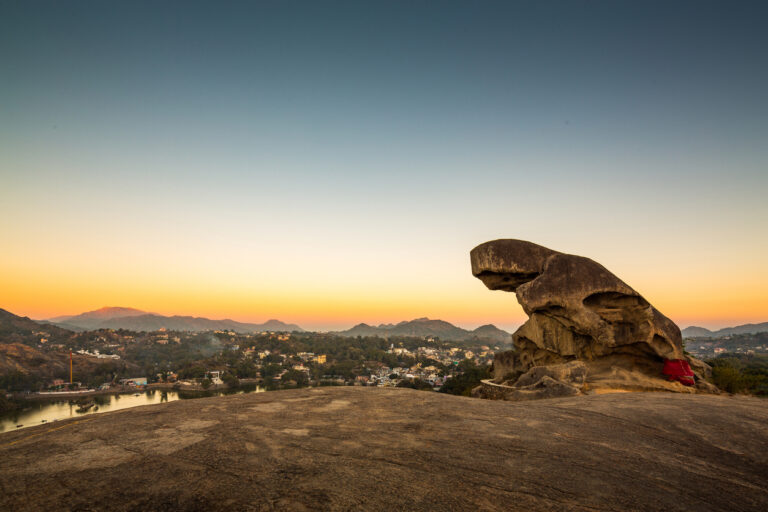
Sunset Point in the evening is the best spot to watch the Aravallis changing color under the setting sun.
Best Time to Travel Across these Places
November to February is the best time to travel across these regions for birdwatching.
How Ruhani Guides Your Trip
We at Ruhani provide self-guided packages, where you have the freedom to customize your tour according to your needs. Reach out to our team via the contact form below for more details.
Contact a Ruhani Travel Advisor Right Away
In case of any emergency, medical or otherwise, you can contact the Ruhani support team at any point in your travels. We are here to assist you throughout.
- (+1) 301-250-6943
- contact@ruhaniindia.com

100% Custom-Made
- Every itinerary can be further personalized according to your own personal needs and wants.
- Authentic slow travel experiences handpicked exclusively by our expert team.
- Prioritize your freedom and be responsible towards the environmental burdens of mainstream tourism.
- Select your preferred destination and choose for yourself how you want to experience that region.
Why Choose Ruhani?

Soulful Tour Packages
- We make India matter to women-only groups and intrepid travel-enthusiasts.
- Our tour packages portray a unique and broad perspective of India.

In-Depth Expertise & Support
- We believe in the power of soulful tourism with an all-encompassing need to gain knowledge.
- Under any emergency, medical, informational, or otherwise, our team will assist you in every way.