Wildlife Sanctuaries in Northern India
Nanda Devi Biosphere Reserve & Kibber Wildlife Sanctuary, India
- Location
Uttarakhand & Himachal Pradesh
- Nearest Airports
Jolly Grant Airport (Dehradun)
- Highlight
Explore elusive Himalayan wildlife, rare high-altitude flora, and culturally intriguing village life.
- Duration
6D/5N
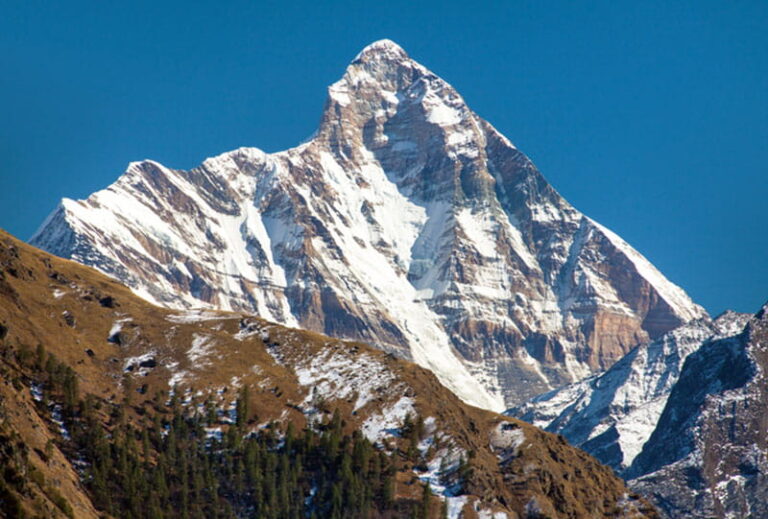
Guarded by snow and silence, India’s high-altitude wildlife sanctuaries are as much about the animals as they are about endurance and connection with life that hides in crevices. Nanda Devi Biosphere Reserve, concealed within a ring of formidable Himalayan peaks, offers a precious glimpse into the last bastions of alpine wilderness. Markhor, Himalayan musk deer, and the endangered snow leopard all claim territory here, even if they may not always show themselves. The air is thin but carries anecdotes of shepherds, glaciers, and wild animals.
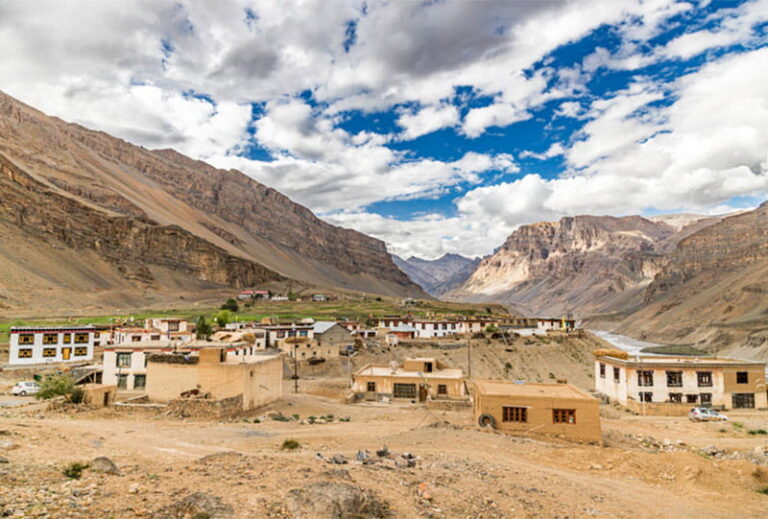
On the other hand, Kibber Wildlife Sanctuary in Spiti Valley is rugged and lunar. The world’s third-highest wildlife reserve. Wild blue sheep (bharal), Tibetan wolves, and ibex run across these dusty cliffs. The cold desert of Spiti Valley is for those who arrive with open eyes and heart, for you will be greeted with surprises and connections with wildlife.

Highlights of the Tour:
- Spot high-altitude wildlife like bharal, snow leopards, Himalayan marmots, and musk deer.
- See the sacred alpine flora of Valley of Flowers (if you stretch the itinerary) and glacial systems near Nanda Devi.
- Explore traditional Himalayan village life in Lata (Uttarakhand) and Kibber (Spiti).
- Hike to remote corners of Spiti with local herders and monastery dwellers.
- Know the slow mountain life, local cuisines, wool weaving, and Buddhist prayer rituals.
A Six-Day Itinerary to Explore India’s Wildlife Sanctuaries
Day 1: Rishikesh - Joshimath
Distance: 250 km
Transportation: Shared jeep, private taxi, or local bus
Begin early from Rishikesh for Joshimath and drive along the Ganges until you start climbing into Garhwal’s high mountains. Joshimath is the gateway to both Auli and the Nanda Devi Biosphere. Acclimate and rest for the day.
If you are up for it, take an evening stroll around Joshimath, pay visits to local temples, or sit for a simple pahadi (hilly) dinner of mandua roti (Indian flat bread made from a type of millet) and dal (lentils).
Day 2: Joshimath - Lata Village
Distance: 25 km by road & 2 km trek
Transportation: Shared jeep or private taxi
Lata, the gateway to Nanda Devi Biosphere Reserve, is a sleepy mountain village where the Chipko movement to protest against cutting of trees found its roots. Meet the local Bhotiya families, who will amaze you with their resilience and deep ecological knowledge. Stay in a community-run homestay to support the local Garhwali families. Feel free to join a local elder for a walk into the peripheries of the Biosphere Reserve and learn about high-altitude herbs and the terrain’s biodiversity.
Day 3: Lata Kharak Hike
Duration: Full-day hike
Altitude: 3700 m
This day is for the forest hike. Gear up to hike toward Lata Kharak, a ridge that offers spectacular views of the Nanda Devi peak. The trail is steep but rewarding, and your guide will help identify birds and rare flora along the way. Return by dusk to Lata village for a quiet Garhwali night and a simple home-cooked meal.
Day 4: Lata - Joshimath - Kaza
Duration: 17 hours
Distance: Long transit, overnight bus/taxi via Manali route
Time to transfer from the state of Uttarakhand to the state of Himachal. First, return to Joshimath and continue your journey toward Himachal. While direct routes are rare, you can either stop over at Manali for a night or take a direct shared taxi toward Kaza, the district center in Spiti.
Day 5: Kaza - Kibber Village
Distance: 20 km
Once in Kaza, take it slow and steady. Acclimatization may sound simple, but it is possibly the most important thing in a high-altitude valley like Spiti.
After breakfast, make your way to Kibber, one of the highest motorable villages in the world. It is stark, still, and awe-inspiring. Settle into a homestay and spend the day wandering around the village, meeting shepherds, observing the unique stone houses, and trying the local delicacies such as thukpa (soup or stew combined with noodles) or tsampa (roasted barley flour).
Day 6: Wildlife Walk and Monastery Visit in Kibber
Kibber sits at over 14000 ft and is the entry point to the Kibber Wildlife Sanctuary. You can either walk along the outer ridges or arrange a guided walk with local wildlife trackers. Keep your eyes open for Himalayan blue sheep (bharal), red foxes darting in and out of ravines, and high-altitude birds circling above. Chances of spotting bharal, Himalayan foxes, or marmots are high; snow leopards remain elusive unless you are in deep winter.
How Ruhani Guides Your Trip
We at Ruhani provide self-guided packages, where you have the freedom to customize your tour according to your needs. Reach out to our team via the contact form below for more details.
Contact a Ruhani Travel Advisor Right Away
In case of any emergency, medical or otherwise, you can contact the Ruhani support team at any point in your travels. We are here to assist you throughout.
- (+1) 301-250-6943
- contact@ruhaniindia.com

100% Custom-Made
- Every itinerary can be further personalized according to your own personal needs and wants.
- Authentic slow travel experiences handpicked exclusively by our expert team.
- Prioritize your freedom and be responsible towards the environmental burdens of mainstream tourism.
- Select your preferred destination and choose for yourself how you want to experience that region.
Why Choose Ruhani?

Soulful Tour Packages
- We make India matter to women-only groups and intrepid travel-enthusiasts.
- Our tour packages portray a unique and broad perspective of India.

In-Depth Expertise & Support
- We believe in the power of soulful tourism with an all-encompassing need to gain knowledge.
- Under any emergency, medical, informational, or otherwise, our team will assist you in every way.